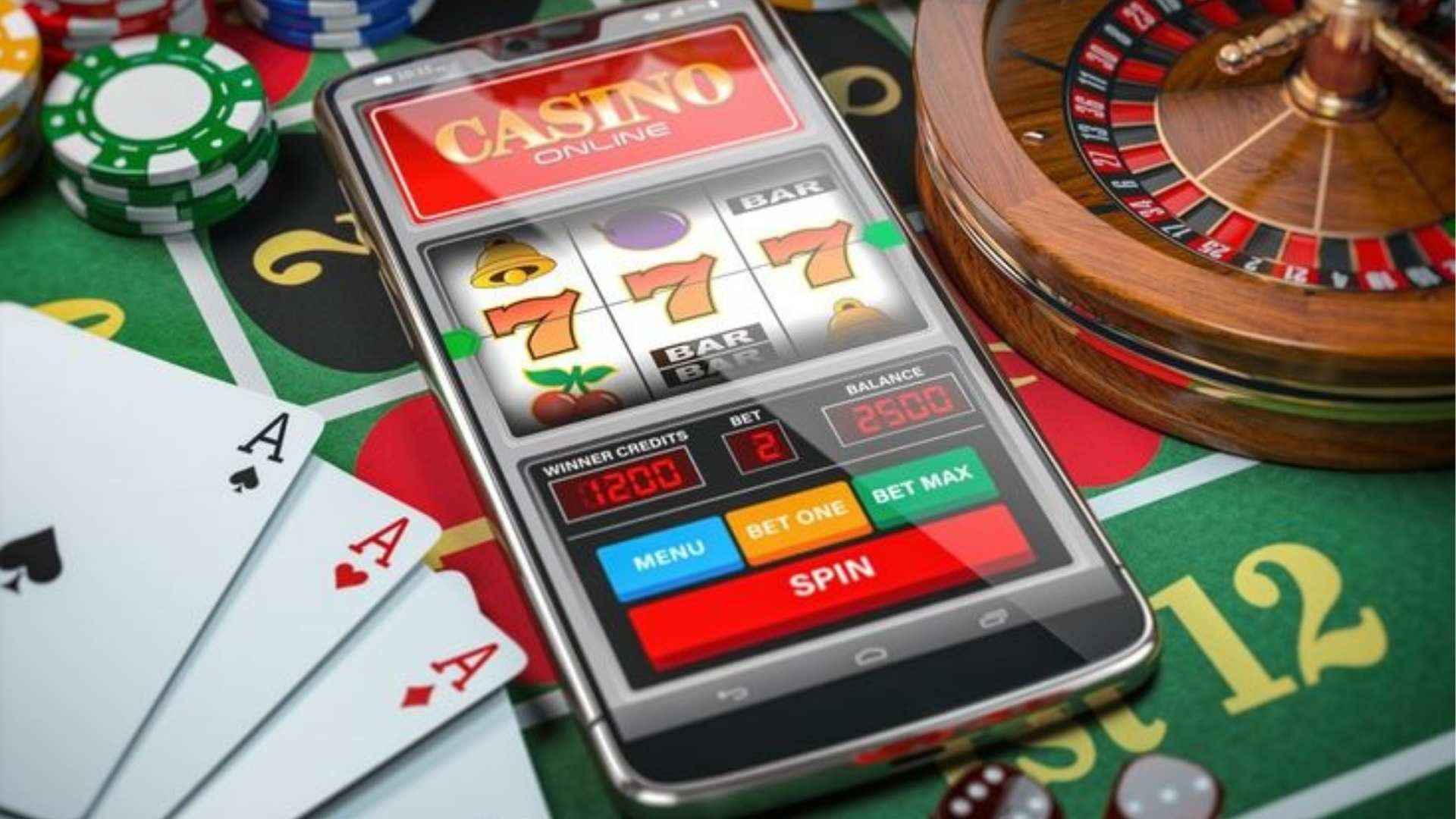
Baccarat has shed its historical reputation as a rigid game confined to exclusive, quiet VIP rooms for high rollers. The modern casino era has introduced dynamic structural updates that completely reshape how participants interact with each deal. Exploring these modern enhancements reveals how developers have transformed a classic concept into an engaging, participatory experience.
The Acceleration of Betting Rounds
Traditional baccarat was famously known for its slow, ritualistic pacing where card squeezing occupied a significant portion of game time. Modern digital platforms have eliminated these lengthy administrative intervals to favor rapid execution and instantaneous results. This shift allows analytical players to log a substantially higher volume of hands within brief entertainment sessions.
By automating the complex third-card drawing rules, modern platforms ensure that each outcome is calculated without technical delays. Casual participants can now enjoy seamless transitions from one round to the next without feeling bogged down by complex calculations. Finding a reliable m88 link connects players to these highly efficient interfaces that maintain optimal table momentum.
The Evolution of Dynamic Side Wagers
Another captivating change in contemporary gameplay is the widespread implementation of specialized optional side wagers. Traditional tables offered very limited outcomes, focusing almost entirely on the primary player, banker, or tie selections. Modern configurations inject extra layers of predictability by introducing side bets based on specific card combinations, pairs, or point spreads.
These features give participants the unique freedom to pursue higher payouts alongside their conservative baseline choices. This structural evolution effectively shifts the game from a passive spectator sport into an active tactical environment. Analytical players appreciate evaluating the risk and reward balance that these contemporary side markets bring to the felt.
The Multi Camera Live Studio Revolution
The transition from basic digital graphics to high-definition live streaming studios represents a massive leap forward for table authenticity. Instead of relying on a static computer screen, modern versions utilize multi-camera arrays that track every physical movement of a professional dealer. This technical transparency builds profound trust among remote participants while replicating the physical energy of a land-based salon.
Players can customized their view, tracking detailed scorecards and statistics through interactive user overlays. This continuous access to empirical data helps individuals monitor table patterns and trends in real time. The integration of community chat features also enhances social engagement, turning a solitary digital game into a shared entertainment hub.
No Commission Modality Reshapes Payouts
Perhaps the most influential structural change affecting mathematical player returns is the introduction of No Commission variants. Traditional rules required a five percent fee on winning banker bets, which often complicated bankroll calculations for casual enthusiasts. The updated setup pays even money on standard banker wins, creating a cleaner and more transparent financial experience.
To maintain equilibrium, specific scoring conditions like winning on a six trigger alternative payout ratios. This subtle modification forces experienced participants to adjust their session tactics and risk assessments accordingly. It stands as a perfect example of how minor structural adjustments can revitalize a traditional blueprint for contemporary audiences.